Founder letter
Every month we collect everything we've learned about how LLMs pick brands and share it with you.



So, you’ve run your first AI visibility report and found zero mentions. If you’re a new or growing brand, this is completely normal and actually a strong opportunity. AI search is still a new channel, which means it’s faster and cheaper to influence than traditional SEO or paid marketing.
Here’s what to do next.
Before working on content or prompts, confirm that your website is accessible to AI crawlers. Check that your site is not blocked by robots.txt, firewalls, login walls, or hosting level restrictions. Review your CMS or hosting platform settings and make sure external bots are allowed to crawl your pages. If chatbots can’t access your site, no strategy will work until this is fixed.
Once your site is reachable, you can move forward.
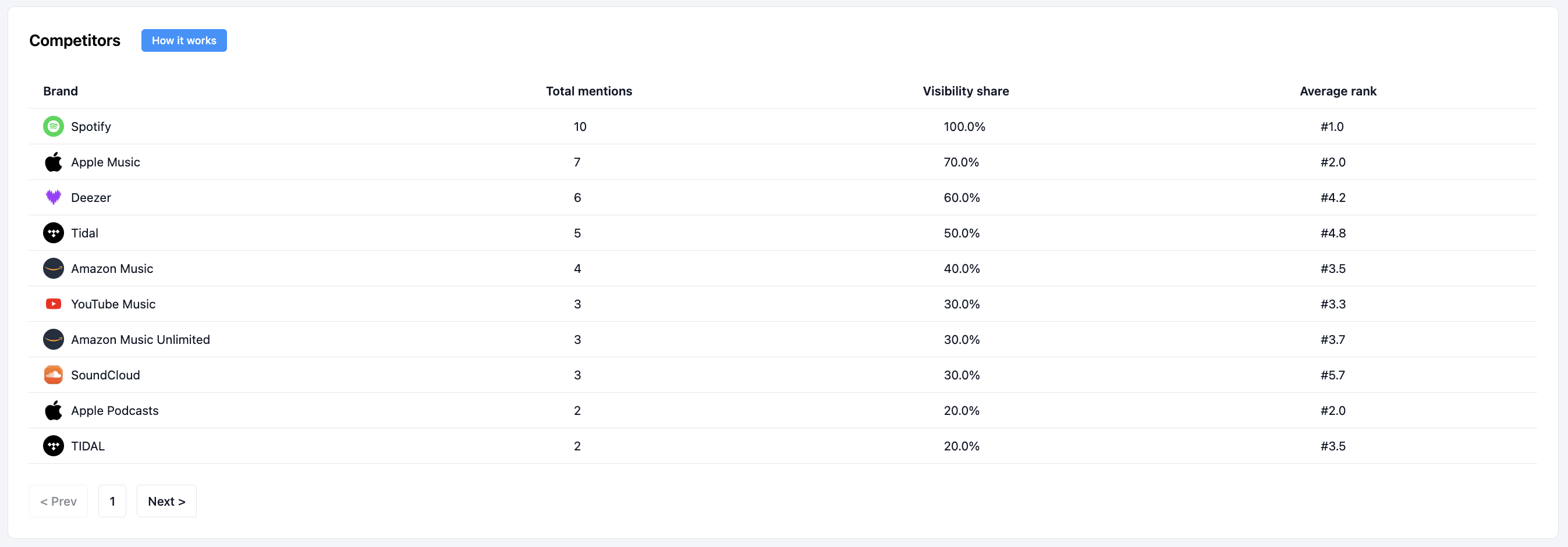
If your brand has zero visibility, check who does appear in chatbot answers for your niche. These are your real competitors in AI search, even if they are not your traditional competitors. Well-known brands often show high visibility, but smaller niche players can appear too. This gives you a realistic benchmark and shows what winning looks like in your category.
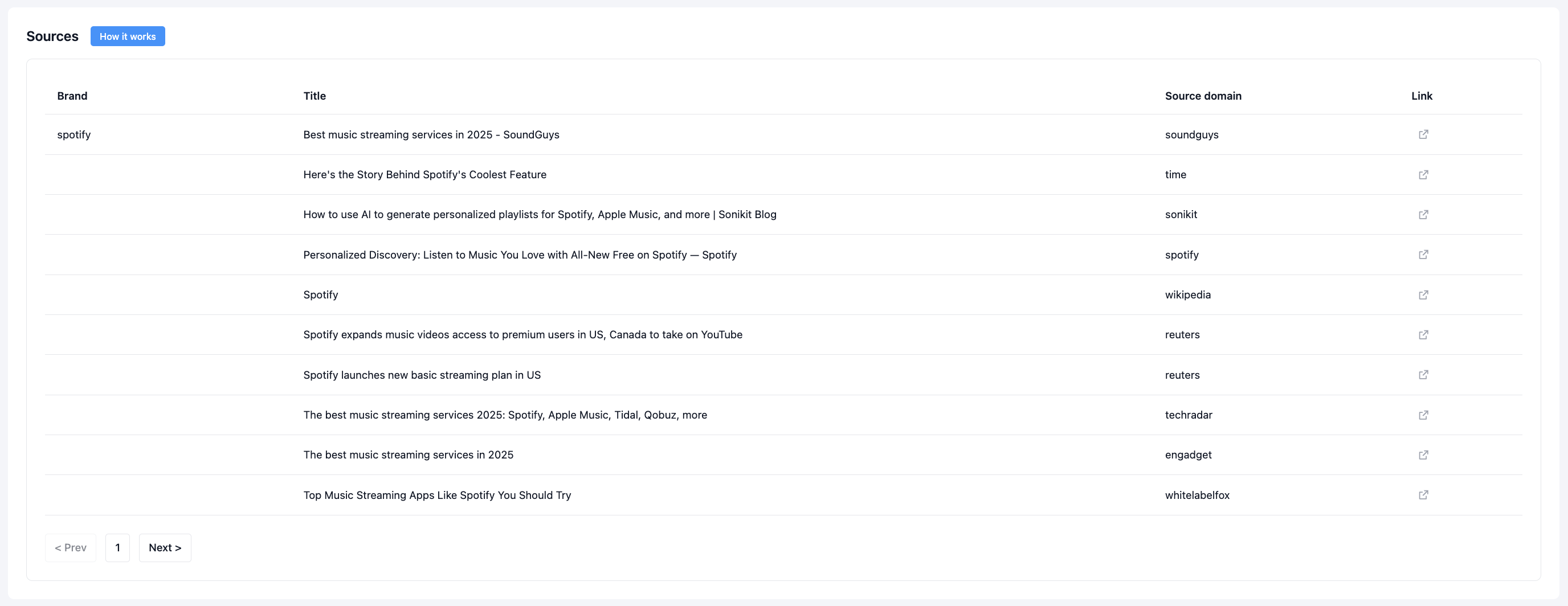
Next, inspect where those competitors are being mentioned. Open the sources that support their visibility. Look closely at the format. Is it media coverage, blog posts, comparison articles, community discussions, directories, or social platforms This step helps you understand what kind of content AI models rely on in your niche. You are not guessing. You are reverse engineering what already works.
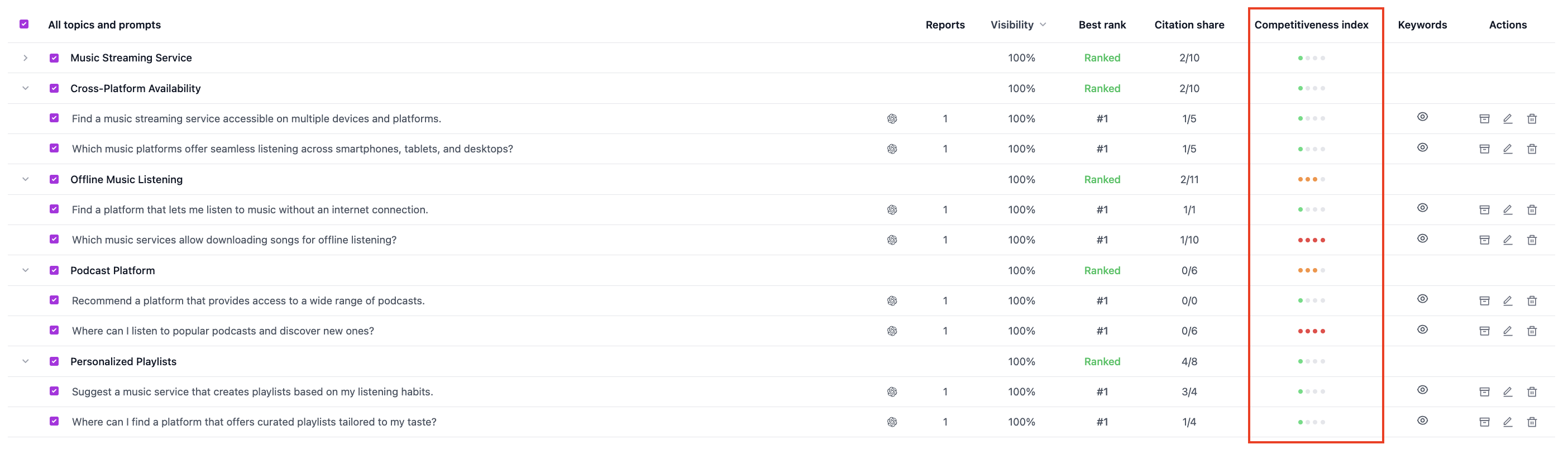
Not all prompts are equally competitive. Focus first on prompts with lower competition and clearer intent. These are often more specific questions or use cases.
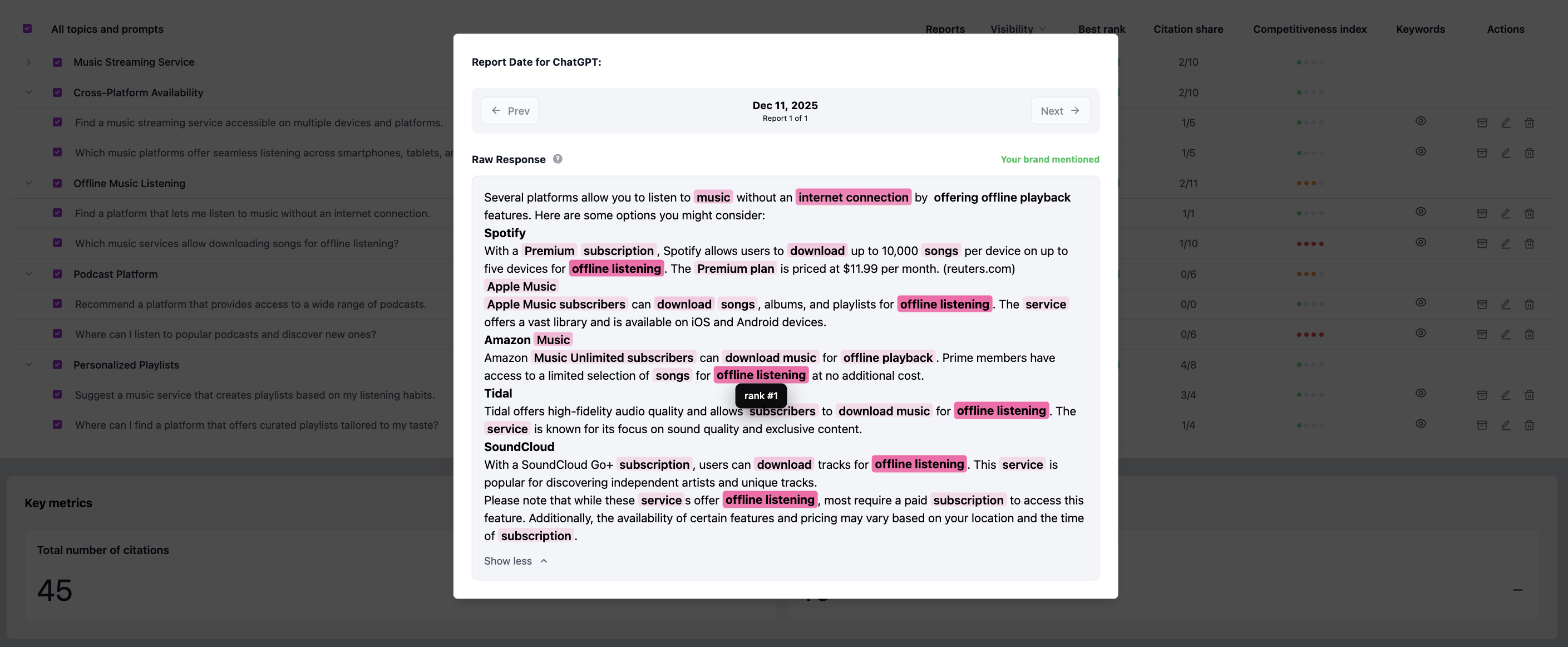
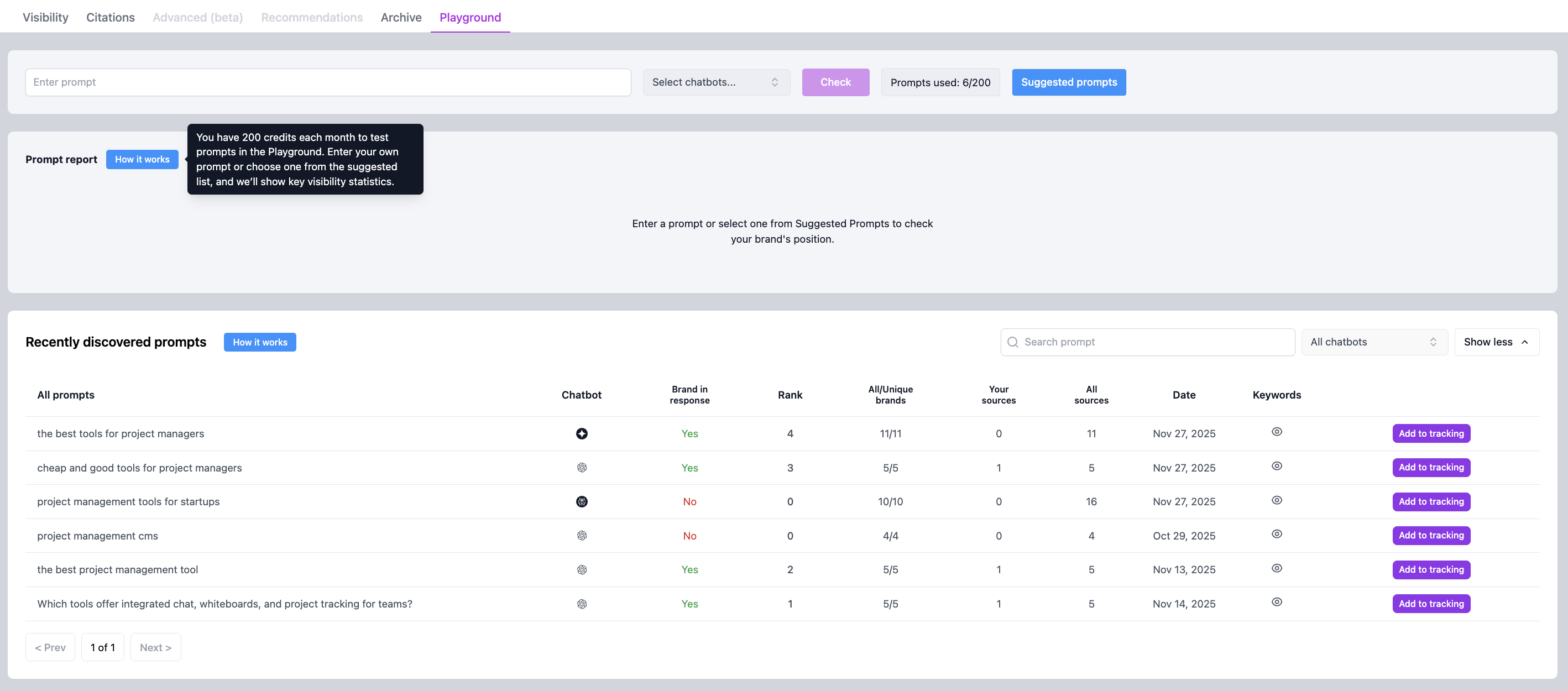
Inside AI responses, pay attention to highlighted keywords and recurring phrases. These terms reflect how models structure answers. Use this language as input for your content strategy.
Now create content that fits both the format and the language you discovered. This can be content on your website, articles on relevant platforms, community answers, or trusted third party mentions. The goal is not volume, but alignment. You want your brand to appear in the same types of sources and contexts that AI models already trust. Over time, this builds visibility across multiple prompts.
There is no perfect prompt set or one time setup. AI visibility improves through testing. Adjust your prompts, track changes, see what starts working, and double down on it. Some prompts will never convert. Others will unlock visibility faster than expected. Treat AI search like a living channel, not a static checklist.
Zero visibility is a clean starting point. If you approach it systematically, AI search can become one of the fastest channels to gain visibility, especially for new brands.
It means your brand does not appear in chatbot answers for the prompts you are tracking. This is common for new brands or new topics and does not indicate a technical issue by default.
No. In AI search, zero visibility is a starting point. It means you have a clear opportunity to enter a new channel with less competition than traditional SEO.
Chatbots rely on existing sources they trust. Competitors may already be mentioned in media, blogs, comparison articles, or community discussions that AI models use.
Make sure your website is accessible to AI crawlers and not blocked by hosting settings, robots rules, or login restrictions.
Turbine shows which competitors appear, which sources support them, which prompts are easier to enter, and which keywords are used inside chatbot responses.
AI visibility can change faster than traditional SEO. Early improvements are often visible within weeks once the right sources and prompts are targeted.
No. Turbine provides clear visibility analysis and actionable recommendations without requiring SEO expertise.
Every month we collect everything we've learned about how LLMs pick brands and share it with you.